

In just eight years, Japan’s B.League has moved from an in-country experiment to among Asia’s most dynamic basketball leagues. The 2025 season is a breakthrough — with the league consolidated in one top division, record-breaking fan turnout, and a new crop of world-leading Japanese NBA stars entrancing fans within the country and abroad. The coordination of organization, vision, and star talent has made the B.League a cultural phenomenon embracing entertainment, civic pride, and sporting excellence.
With basketball becoming a favored sport in Japan, participation by fans has extended far beyond stadiums. The excitement mirrors world realities in which sporting fans enjoy combining analysis and competition through digital involvement. Platforms like Melbet achieve this combination with opportunities for sports betting and live involvement in global leagues. While a fan is focused on team strategies, a gambler considers odds, converting the sport into an interactive experience of enjoyment and knowledge.
The Road To Unification: Building A Unified Vision
When the B.League launched in 2016, it brought together the nation’s two competing basketball systems — the bj-League and National Basketball League (NBL) — under a unified professional system. The effort, spearheaded by Japan Basketball Association chairman Yuko Mitsuya, ended decades of disunity and brought new stability to the game.
In 2025, this cohesion reaches its ultimate form with the introduction of “B.League Premier,” a single elite-level competition that unifies existing divisions and elevates standards for infrastructure, income, and development of players. The aim is simple: make Japan a global hub for basketball.
League modernization has also accompanied the revolution in Japan’s entertainment scene. Basketball culture, online prominence, and gaming intersect more than ever before. This intersection of fandom and online sports is also seen in online platforms with casino games, where fans seek adrenaline and strategy similar to the excitement of basketball. The intersection of luck and ability also intrigues spectators who are fond of competition, off and on court.
This reunification also raises the stability of clubs. Clubs are now under an obligation to satisfy financial, facility, and fan engagement requirements in order to grow sustainably for the long term and satisfy their supporters. Backed by top brands such as SoftBank and Rakuten, the B.League business model testifies to Japan’s ability to integrate innovation with heritage.
The Rise Of The Spectator Boom
Basketball fans in Japan have expanded exponentially since the establishment of the league. According to official figures from the B.League, total attendance for the 2023–24 season exceeded 3.1 million, recording the highest ever figures. This is attributed to better marketing, cheap ticketing, and exciting fan experiences within arenas.
Clubs have mastered the art of fan interaction — fusing sport and entertainment. Glamorous halftime shows, interactive fan parks, and post-game signature sessions have turned matches into a day-long entertainment. Families, young professionals, and tourists alike now consider basketball a social activity as much as a sport.
| Season | Total Attendance | % Increase Year-on-Year | Major Highlight |
| 2016–17 | 1.8 million | — | Inaugural B.League season |
| 2019–20 | 2.4 million | +15% | Expansion to 36 teams |
| 2023–24 | 3.1 million | +20% | Pre-unification excitement |
This surge in interest demonstrates the growing enthusiasm for basketball as a lifestyle. The upcoming 2025 season, with all teams consolidated and increased media coverage, is bound to shatter all previous attendance records.
Hachimura and Watanabe: Icons Of A New Era
Few have contributed as much to elevating the profile of basketball in Japan as Rui Hachimura and Yuta Watanabe. Both men not only achieved success in the NBA but also became cultural emissaries for sport in Japan.
Rui Hachimura’s play for the Los Angeles Lakers has won over supporters in all of Asia, representing the increasing competitiveness of Japan on the global stage. Yuta Watanabe, with his tenacious defense and professionalism, has encouraged young athletes in droves to take basketball more seriously. Their overseas success has a direct impact on the B.League in that more locals watch locally based games in hopes of seeing the next big star.
Both of them also actively market basketball within their homes — playing in youth leagues, training camps, and endorsement drives that merge international reach with patriotic zeal. Outside the sport, they are seen through TV advertisements, fashion lines, and social media efforts that remake the face of Japanese athletes.
Digital Growth And Commercial Expansion
B.League commercial growth has kept pace with Japan’s broader digital transformation. Overseas audiences have been made available through live-streaming partnerships with DAZN and YouTube, while domestic broadcasters like NHK and Fuji TV provide extensive coverage.
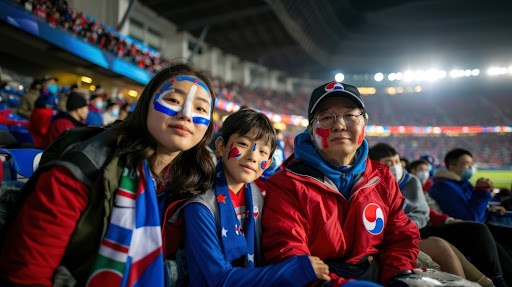
Merchandising has also flourished. Jerseys, sneakers, and club memorabilia have emerged as mass fashion items, particularly among young people. The coming together of augmented reality fan experiences, online ticketing, and mobile membership has further embedded the sense of belonging between fans and clubs.
- Global Representation: Japanese players’ success in foreign leagues boosts local viewing and enthusiasm.
- Modern Marketing: Social media narratives and influencer partnerships engage young consumers.
- Improved Infrastructure: New arenas and family arenas enhance the live experience.
- Corporate Investment: Sustainable and creative club management is ensured through healthy sponsorships.
All these together have established the B.League as a model for other Asian leagues to become modernized without jeopardizing cultural identity.
From Local Courts to Global Stages
Japan’s B.League is no longer an in-country experiment; it is now a rising player in the world of basketball. Once-unique B.League divisions are now merged. Spectators are no longer just in the country as the likes of Japanese stars Hachimura and Watanabe attract global attention. The identity of the nation as a sports-playing country is changing.
Japan’s success is not just about increased wins on the basketball court. The Japan B.League’s success is a result of creative and innovative changes in sports and entertainment. Japan B.League is an intersection of basketball culture, entertainment technology, and global competitiveness. Home pride will result in basketball in Japan.
Japan’s story is one of basketball courts in Japan, to the Global NBA stages. This is set to change, with the next chapter on the Global stages being written.