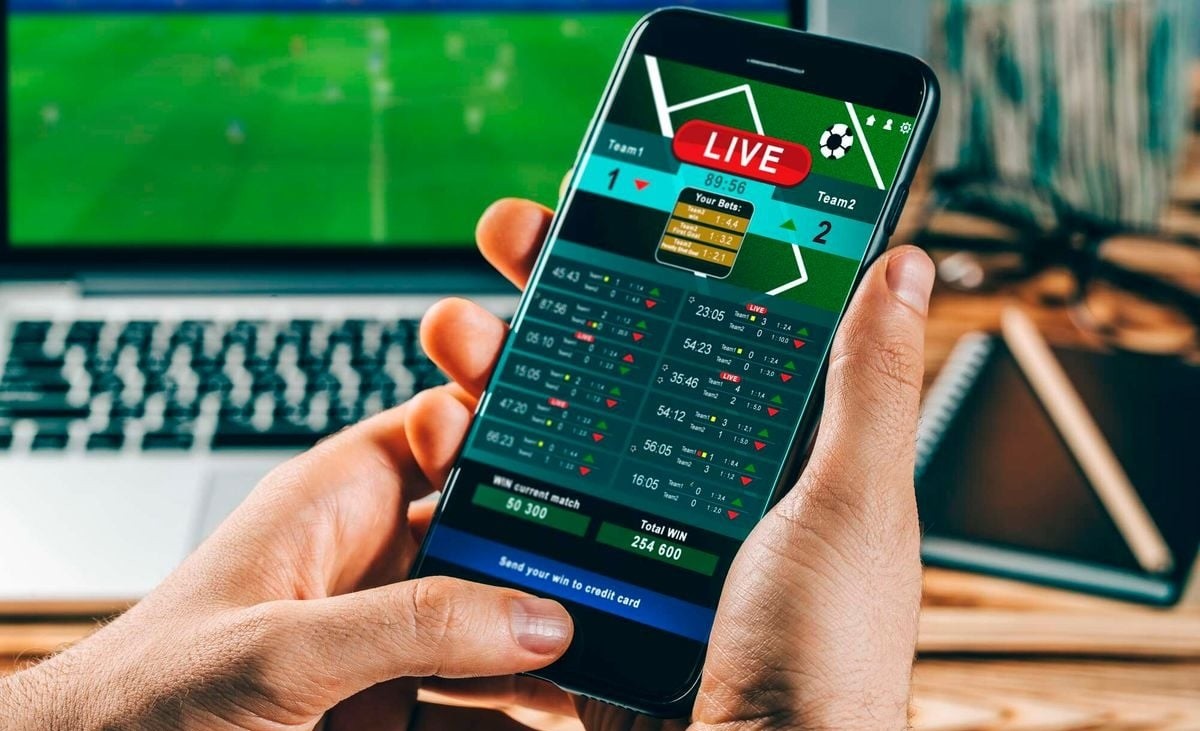

Join DivineGames as we explore enterprise applications have long been associated with dense screens and steep learning curves. But by borrowing engagement tactics from the casino floor—dynamic feedback, tiered rewards, and immersive experiences—you can transform corporate software into an inviting, productive playground. In this guide, we explore cutting-edge UI/UX trends that apply casino-style engagement to enterprise contexts, ensuring your platforms not only get used but become preferred tools in daily workflows.
Immersive Gamified Interfaces for Employee Retention
Gamification goes beyond simple points and badges. Modern enterprise apps leverage rich animations, progress trackers, and narrative elements to keep users motivated over time. Think of each completed task as a winning spin on a slot machine—rewarding minimal effort with immediate visual and haptic feedback.
- Progress Rings and Bars: Display completion percentages with subtle glow effects when milestones are reached, much like a slot’s celebratory lights.
- Achievement Badges: Award digital tokens for actions such as “First Dashboard Customized” or “100 Reports Generated,” unlocking new interface skins or themes.
By weaving gamified elements into everyday operations, you tap into the same dopamine-driven loops that keep players at the tables, while ensuring that meaningful work doesn’t feel monotonous.
Adaptive Dark and Light Themes Inspired by Casino Atmosphere
Casinos masterfully control ambiance through lighting. Enterprise apps can mirror this by offering adaptive themes that respond to time of day, user preference, and environmental context.
- Circadian Sync: Automatically switch from a bright “daytime pit” theme with warm gold accents to a subdued “night-floor” mode featuring deep greens and muted reds.
- Environment-Aware Contrast: Utilize device sensors to adjust contrast in real time—akin to a casino dimming lights for high-stakes tables—ensuring readability under any conditions.
Personalized themes make the interface feel more comfortable and reinforce engagement, as each user’s digital “floor” evolves with their routines.
Real-Time Feedback Loops via Live Data Streams
Casinos keep excitement alive with live jackpot meters and immediate payout displays. Enterprise dashboards can adopt similar real-time feedback to drive informed action.
- Live Activity Feeds: Show colleagues’ task completions or system alerts as a scrolling feed, creating a sense of collective progress.
- Dynamic Widgets: Implement widgets that animate when thresholds are met—for instance, a server-health gauge that “lights up” when CPU usage drops below critical levels.
This continuous feedback encourages users to stay connected and respond proactively, rather than letting alerts pile up unseen.
Advanced Personalization Through AI-Driven Recommendations
Just as casinos tailor comp offers to players’ habits, enterprise apps can use AI to suggest relevant features, data, or workflows.
- Contextual Shortcuts: Analyze a user’s recent actions to surface one-click automations—much like offering a favorite slot game when a player sits down.
- Smart Content Prioritization: Promote the most relevant reports or tickets based on predictive models, reducing decision fatigue and increasing perceived value.
By providing each user with a bespoke interface, you replicate the VIP treatment of high-value casino patrons, increasing satisfaction and efficiency.
Progressive Onboarding Journeys with VIP Tiers
Onboarding is your app’s first impression—treat it like welcoming a new guest to the casino. A tiered approach creates a clear path from beginner to expert.
- Bronze Entry: Guided tours highlighting core features; simple tasks earn “chips” to unlock the next module.
- Silver Advancement: Interactive challenges teaching advanced workflows, such as custom dashboard creation or API integrations.
- Gold Mastery: Self-directed exploration with sandbox environments and community leaderboards showcasing expert users.
This VIP ladder encourages continued engagement, as users aspire to reach higher tiers and unlock premium features.
Neurodesign Principles for Focus and Flow
Casinos employ color psychology and layout to guide attention to high-value games. Similarly, enterprise UIs should use neurodesign to minimize cognitive load and enhance flow.
- Color Hierarchy: Reserve vibrant accents (e.g., red or gold highlights) for primary actions, while secondary elements remain neutral.
- Whitespace and Grouping: Organize controls into logical zones, using generous spacing to prevent visual clutter and reduce decision paralysis.
By aligning design with how the human brain processes information, you create interfaces that feel intuitive—much like a well-designed casino floor that naturally guides patrons to the tables.
High-Performance Visualizations and Dashboards
Casinos use large screens and dynamic displays to showcase jackpots and player stats. Enterprise dashboards can mirror this with high-fidelity visual components.
| Casino Display | Enterprise Equivalent | Benefit |
| Live Jackpot Meter | Real-Time KPI Gauge | Immediate visibility into critical metrics |
| Table Occupancy Chart | Heatmap of Server/Network Utilization | Quick hotspot identification |
| Player Leaderboard | Top-Performing Sales/Support Leaderboard | Drives healthy competition |
Tables like these offer a familiar metaphor, reinforcing the idea that data is a dynamic system to be engaged with—not a static report to be read once.
Accessible Designs with Provable Fairness
Fairness is non-negotiable in casinos, enforced by regulators. Enterprise apps must prioritize accessibility and transparency to ensure equal access and trust.
- ARIA Compliance: Implement robust screen-reader support and keyboard navigation, ensuring every “player” can fully interact with the “game.”
- Transparent Algorithms: Clearly explain AI recommendations and highlight any biases, much like published payout tables reassure gamblers of a fair game.
Accessibility features shouldn’t be an afterthought—they serve as your app’s compliance table, guaranteeing every user a seat at the table.
Gesture-Based and Voice Interfaces for Efficiency
Modern casinos experiment with touchscreens and voice commands for game selection. Enterprise applications can similarly adopt gesture and voice controls to streamline complex workflows.
- Pinch-to-Zoom Analytics: Allow users to zoom into granular data points on dashboards, revealing deeper drill-downs with natural gestures.
- Voice-Activated Commands: Integrate with voice assistants to trigger common tasks—“Run the weekly sales report” or “Assign high-priority tickets to me.”
These modalities reduce friction and offer a fresh, engaging experience, turning routine operations into interactive moments akin to hitting the “max bet” button.
Augmented Reality Overlays for Contextual Data
Casinos are exploring AR headsets for immersive gaming. Enterprise AR can provide contextual overlays that bring data into the physical workspace.
- Equipment Maintenance: Overlay live sensor data onto machinery via smart glasses, highlighting parts that need attention with blinking outlines—like a “hot table” indicator.
- Contextual Help: Show interactive tutorials anchored to on-screen elements when a user gazes at an unfamiliar control.
AR transforms static screens into dynamic canvases, merging the digital and physical with the same spectacle that makes high-stakes gaming so captivating.
Mobile-First UIs with Offline Sync Guarantees: Ensure Seamless Connectivity Solutions in Gaming
Just as mobile slot games work even when connectivity dips, enterprise mobile apps must handle offline scenarios gracefully.
- Local Caching Strategies: Store critical data on device and sync changes once the connection restores, avoiding “game over” errors when networks fluctuate.
- Progressive Web App Features: Utilize service workers to deliver near-native performance, ensuring responsive interactions comparable to in-app casino experiences.
Reliable mobile engagement keeps users productive on the go, maintaining momentum much like a seamless mobile casino interface.
Continuous A/B Testing and Analytics for UX Optimization: Enhancing Guest Experience and Operational Efficiency
Casinos constantly tweak game odds and layouts; enterprise UIs demand the same iterative approach.
- Feature Flags: Roll out UI experiments to segments of users, measuring engagement lift before full deployment.
- Heatmap Analysis: Track clicks, hovers, and scrolls to understand where users focus attention, then adjust layouts to highlight high-value actions.
Data-driven design ensures your app evolves toward optimal engagement, mirroring the casino floor’s perpetual experimentation.
Closing the Loop: Feedback, Community, and Evolution
A thriving casino invests in patron feedback and community events. Similarly, enterprise apps should foster user communities and feedback channels.
- Embedded Feedback Widgets: Let users rate features and submit suggestions directly within the app, triggering point awards for constructive input.
- User Forums and Events: Host virtual “dealer’s choice” sessions where product teams demo upcoming features and solicit live feedback, rewarding participants with badges or early access.
By treating users as VIP guests whose opinions shape the “floor,” you build loyalty and ensure the interface stays ahead of evolving needs.
By integrating casino-inspired engagement—through gamified interfaces, adaptive themes, real-time feedback, and AI personalization—you can elevate enterprise UI/UX from functional to compelling, mirroring the immersive qualities of the gaming experience in the casino industry. These enhancements not only energize user interactions but also support casino operations by aligning enterprise applications with the interactivity of slot machines and other gaming systems.
Prioritize accessibility and responsible design while embracing cutting-edge trends like AR overlays, voice interfaces, and IoT (Internet of Things) integration to deliver uninterrupted connectivity and real-time responsiveness. By leveraging analytics and customer data, interfaces become smarter, more intuitive, and personalized—helping systems run smoothly and ensure smooth user journeys even during high demand, reducing potential downtime.
Continuous experimentation and community involvement keep your application dynamic, enjoyable, and efficient—proving that even in the corporate world, a little casino flair, supported by the Internet of Things, can make every workflow feel like a winning spin.