

The reels are not only rotating, but they are also designed to keep you focused and continue spending. Responsible play does not come automatically; it is an art. The flashy colours, sound effects, and close-misses are meant to distort time and reason. Unless you put limits, the game will put limits on you, and those limits will not be to your advantage. To control your behaviour, you should first learn to understand how you respond and what the game is attempting to have you do.
Recognizing the Triggers of Compulsive Play
Pathological gambling does not usually begin with massive losses. It may start as boredom, stress, or a desire to feel something. Many players at platforms like MelBet casino online say they just wanted a quick distraction, but slots are constructed to respond instantly. One spin turns into ten, and all of a sudden, you are out of dinner money. When you are chasing a loss or spinning to make yourself feel better, you are no longer in control. Understanding what motivates you to continue is the first step to remaining sharp.
Triggers are individual: some are lured into it following a close call, others following a victory. Your brain responds to such instances as though they are more important than they are. When you play when you are tired, emotional, or attempting to undo a bad day, you are playing with more than your balance.
Time and Money: Two Limits That Must Be Set
Fun and regret can be separated by simply planning ahead of time before you begin to play. It is not only smart to set limits, but it is also necessary. It provides organization to a type of entertainment which is supposed to be interminable and rapid. This is what you should lock in before you make your first spin:
- A total playtime window: Decide how long you’ll play, and don’t go beyond it. Set a timer if needed.
- A fixed session bankroll: Set an amount you’re okay with losing. Never top it up mid-session.
- A clear loss cap: Know your breaking point. When you hit it, walk away—no chasing.
- A win goal or cash-out trigger: Have a number that tells you “I’m done” when ahead.
These are not recommendations; these are your life jacket. When one is on a hot streak or on a cold run, emotions dominate. This is where pre-set limits come to your rescue. They can be enforced by most platforms providing built-in tools or applications. Use them. They are more effective than hot discipline.
Digital Tools That Support Self-Control
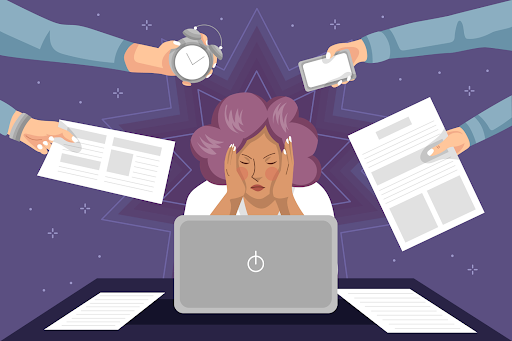
Not all the tools suit every player, but most platforms have settings that let you pause, reflect, and reset. These aren’t gimmicks; they’re designed to snap you out of the tunnel vision that kicks in after too many spins. On sites like MelBet, features like reminders and session timers can appear mid-play to help you slow down. In case real-time limits or reminders appear in the middle of the session, they may prevent you from making impulsive decisions. The trick is to wake them up before you get into your session. When you are too far into the game, your judgment can no longer be trusted.
Reality Checks and Play Limits
Reality checks are pop-up messages that show how long you’ve played and how much money you’ve spent. They are effective as they make the rhythm break. Time is elastic when you are on the chase; these reminders bring you back to reality. Play limits allow you to put ceilings on how much you spend or place on deposit, before you even begin.
You should establish your limits when you are not tilted or up. Do not use memory or instinct. Automate the stop sign by using the tools of the system. These are constructed to guard against the player, and they will do it–provided you allow them.
Self-Exclusion and Cooling-Off Periods
Self-exclusion closes the door when it is too late. You get yourself locked out of your account for weeks or months. That is not a penalty–it is an overrule. It is a feature that can be used when the limits are not helpful, and you are sure you are not in control.
The shorter breaks are called cooling-off periods: a few hours or days during which you are not allowed to log in. They are helpful following a losing streak or a winning streak. The two tools are voluntary and irreversible, which makes them effective. When you are using them, you are gambling seriously and responsibly.
Understanding Slot Design and Player Psychology
Slots are not just lights that flash. They are constructed in a way that makes you turn, follow, and go back. Designers employ the use of quick audio loops, bonus teases, and visual hints that give an impression of close wins. Your mind rewards you with these near successes as wins, and you are motivated to play a few more. It is no bug, it is the design.
The mechanics are associated with dopamine. Small wins now and then will make you believe that you are doing ok even when your balance falls. Such a cycle is self-reinforced rapidly, particularly in autoplay and turbo modes. When you feel the pull, pause and ask if the game fits your goals or just drains your focus.
Why Responsible Play Is a Long-Term Skill
Slots have no final boss; it is one session after another. Responsible play is not a single warning. It is a strategy that can be repeated. Those who remain in control are those who understand themselves best. They not only check their wallets but also their habits. It is good to have winning streaks, but that is not the trick. The right time to quit is. The true victory is to know when to quit. The better the consciousness you have of the way these games attract you, the better the chances of enjoying them without harm.